
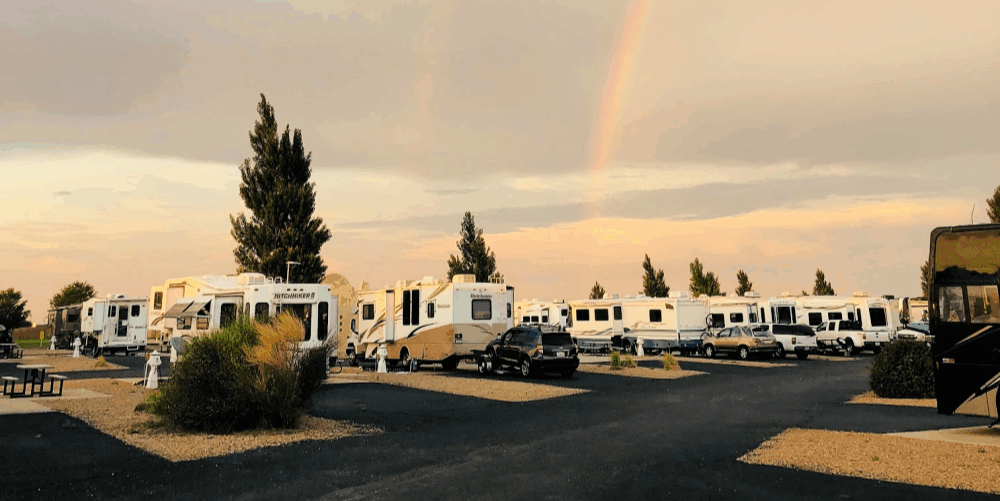
15 Rules of Campground Etiquette
Camping is exciting, whether it is your first time or your hundredth time. However, camping fun can end very quickly if someone breaks campground etiquette. Yes, campground etiquette is real. There are written and sometimes unwritten rules that campers abide by to make sure that the campground community stays a safe place with happy campers.
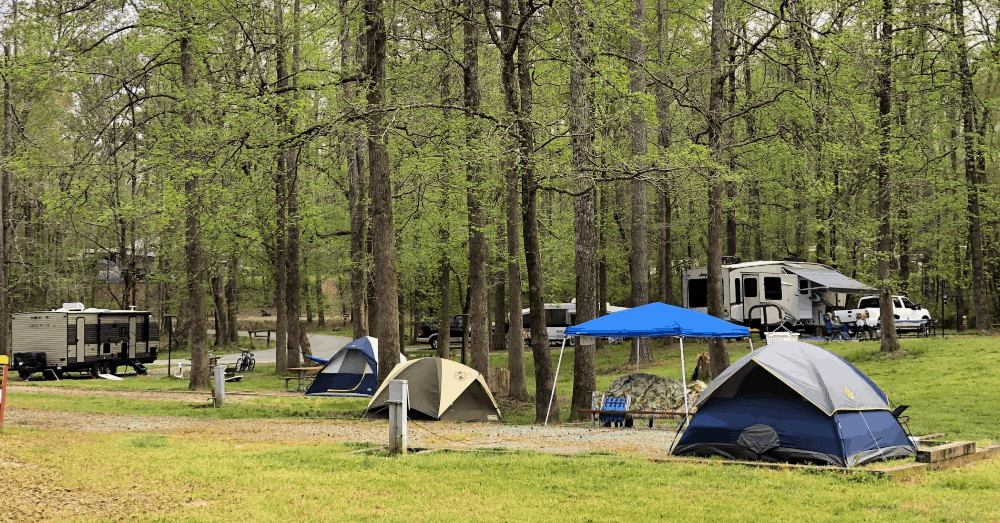
Campground etiquette is often an overlooked aspect of camping. Sometimes campers are uninformed of the rules and other times they are informed and choose to ignore them. One significant aspect of camping is that every time you camp, you inherit a new set of neighbors, and sometimes, a new set of friends. No matter where you camp, you’re probably going to be near other campers, so the following rules ensures that everyone has a good time.
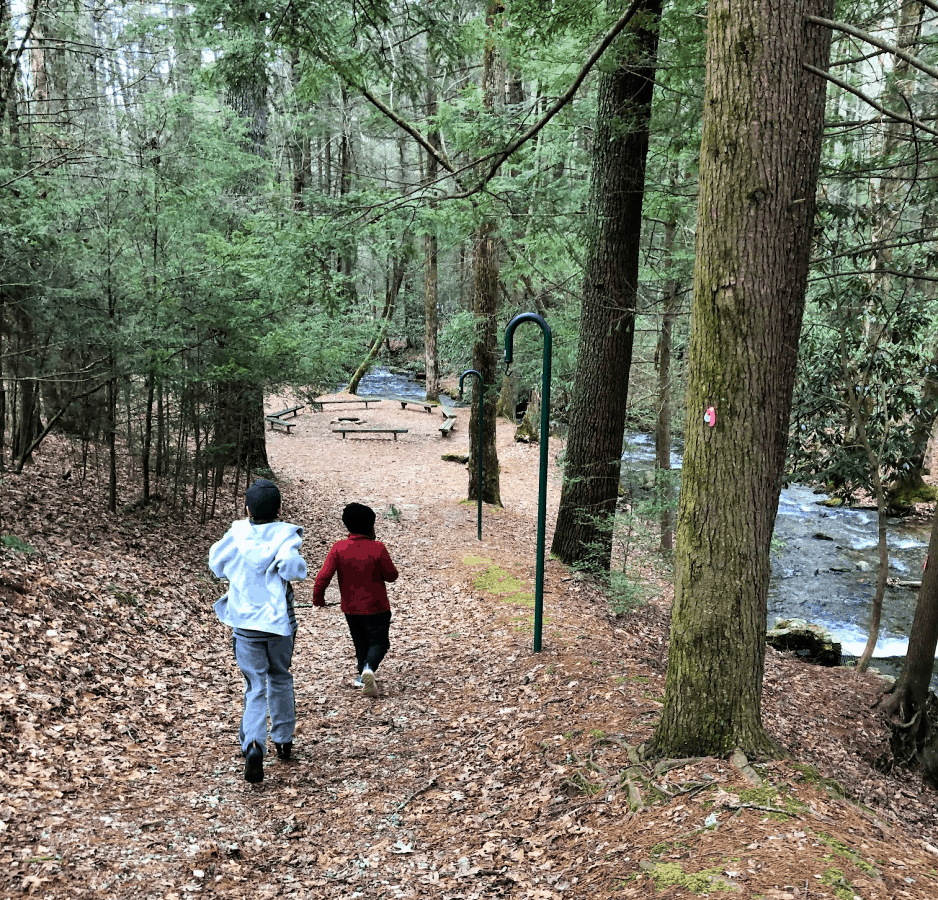
1. The number one rule of camping is to stay off another’s campsite. Although everyone at the campground comes to enjoy themselves, a camper’s 50 by 50 plot of land is sacred ground. Do not walk or ride through someone’s campsite or park your vehicle/extra vehicle on their site because it is convenient for you. As far as cutting through sites, it is traditionally acceptable to walk or bike through a campsite that is completely vacant with no campers present. However, if the campsite has a unit parked on it, do not walk on that site, even if it looks like no one is inside. There is nothing that will irritate campers more than cutting through campsites. This applies to children and animals as well.
2. If you camp with pets, make sure that they are well supervised. Keep pets at your campsite unless you are walking him/her on a leash. Pets that wander alone create issues, if nothing more than enduring fellow camper owners’ complaints. Unfortunately, it is not unusual for pets to leave a campsite and bite a child or attack another pet. If you doubt this, look at the camping forums where pets have lost their lives because they were attacked by other pets. Also, cleaning up after your pet at the campground is imperative. If your pet defecates outside, be sure to clean it up so that no one else steps in it. If you have a loud pet such as a dog that barks a lot, please consider how this will affect those around you. This includes dogs barking from inside the camper. No one wants to go to a campground to hear a dog trapped inside a camper, just as you do not wish to experience the same.
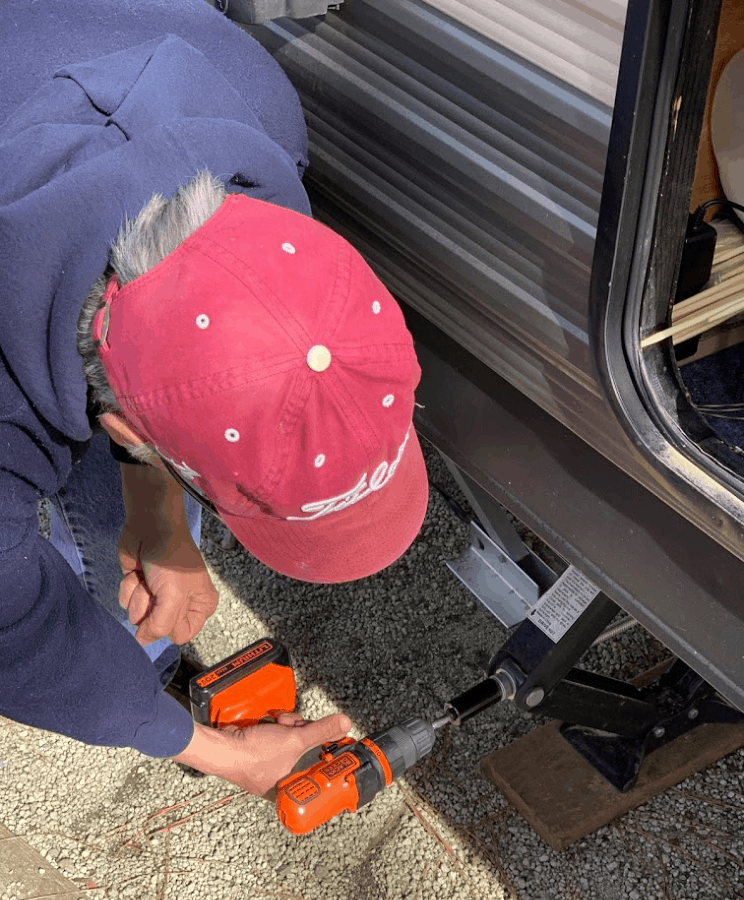
3. When someone is packing/hitching up to leave, do not strike up a conversation. Although this is a convenient time to strike up a conversation, it can be a significant distraction. Remember that packing/hitching up is difficult because there are so many steps to ensure that you will soon be traveling safely down the road. If someone is struggling, it is appropriate and even encouraged to ask if you can lend a hand. Wishing someone safe travels is also encouraged; however, unnecessary distractions are not.
4. Follow all campground rules. If you do not see the campground rules posted, check the paperwork that you received during checked-in. These rules are not meant to be a nuisance, but rather to keep everyone safe and happy. Always adhere to quiet time. Some people have an earlier bedtime than others, and a lot of campers are early risers. Review quiet time hours so that everyone can enjoy their visit. This does not mean that you cannot gather at a campsite and enjoy a campfire with friends and family, but rather that you remain respectful of others. Most importantly, make sure that all adults, children, and even pets do not run around freely during quiet time. Yelling and playing loud music and television outside after quiet time is strongly discouraged.
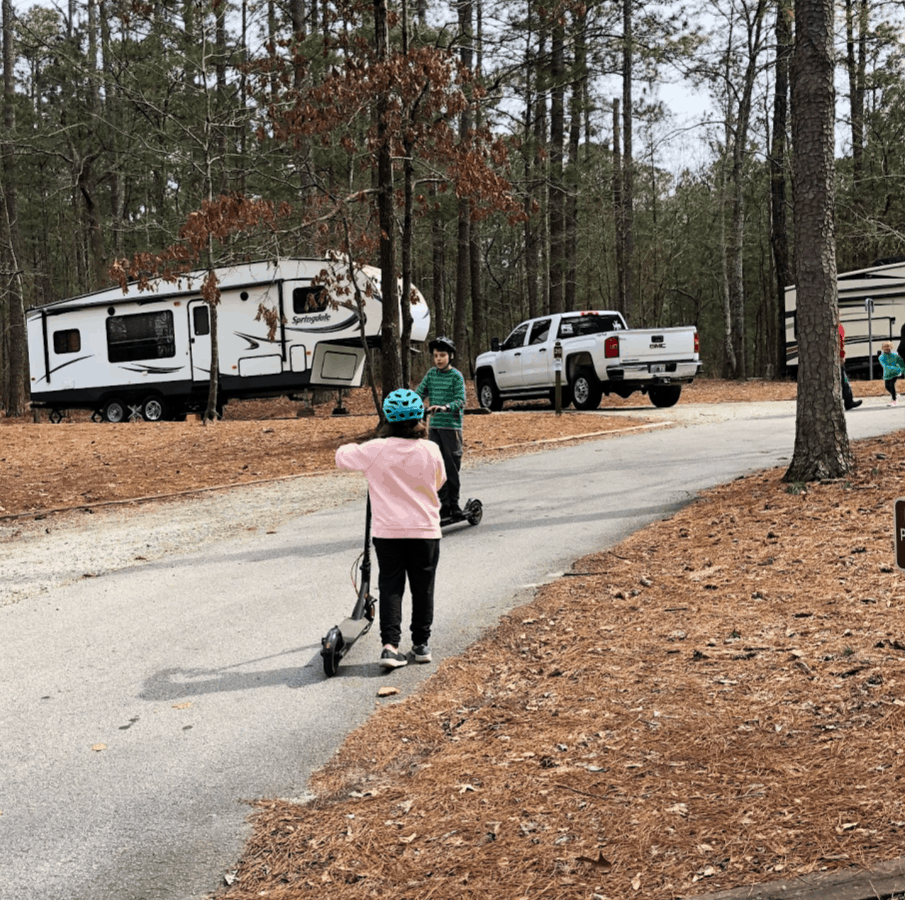
5. Always adhere to posted speed limits throughout the campground. Most campgrounds have posted speed limits between 5 and 10 miles per hour. It is hard to drive 7.5 miles per hour through a campsite, but there are reasons for such a slow speed. Most campgrounds are full of children having fun, and those children are not always mindful of their surroundings. Kids may dart into the road at any time, so although it is hard, please drive slowly and pay attention to the road, even when the street looks vacant.
6. Be mindful of your noise level, even during the day. It is nice to play music on those new outside camper speakers but do so considerately. Some folks camp for sheer relaxation and they enjoy activities such as reading a book or listening to the bird’s chirp. Make sure your fellow campers can still hear the birds chirp rather than “Free Bird” from across the campground. Also, camping isn’t necessarily the place to have a large party, day or night. Normal noise that comes with enjoying the campground is acceptable, but always be respectful of your neighbors.
7. This is a tough one, but be cautious of staring at or inside of others’ campers. This can be difficult when a rig pulls in with a $100k paint job, but at the end of the day, we look crazy when we gawk. Many times, you will see unique campers at the campground or maybe even a camper that you are thinking of purchasing yourself. It is rude to ask to see the inside of someone’s camper. However, it is perfectly fine to ask the owner how they like their camper, just do not invite yourself inside. They may invite you to have a look around, and with their invitation, that is perfectly acceptable. Remember, campers are private homes on wheels.
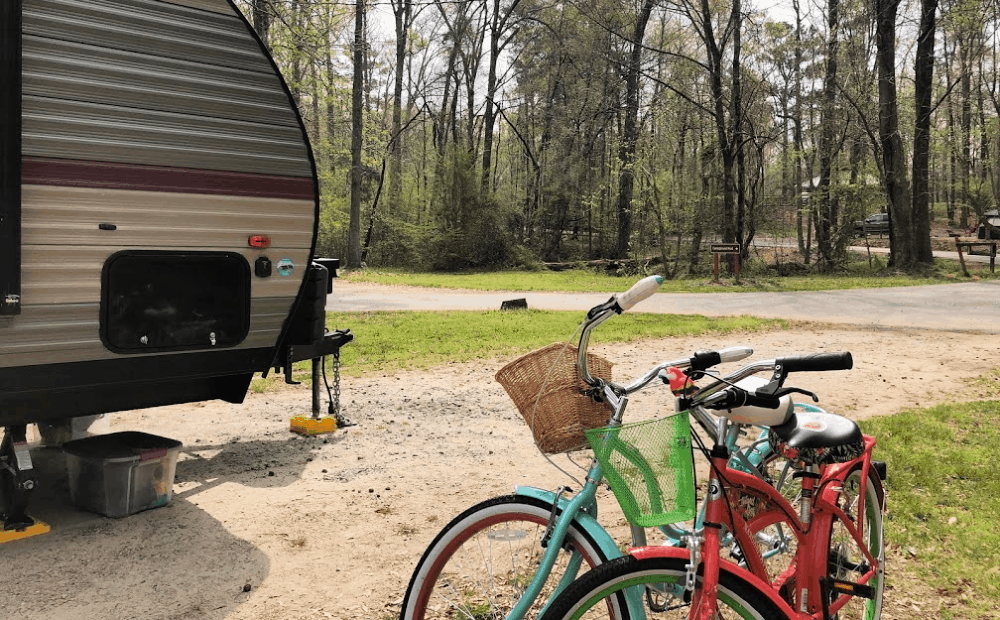
8. Keep your campsite clean and tidy. This seems obvious, but all too often, campers leave their trash for someone else to clean. Remember, the firepit is not a trash can. Along with the tidiness, keep bikes and outside toys in designated areas away from the road. Bicycles parked in or near the road are very dangerous.

9. Avoid burning trash in the firepit. Items such as cans don’t burn completely. Other items such as Styrofoam gives off chemical smells that bother other campers. Remember that smoke travels, so whatever you are burning can enter someone’s campsite with a slight turn of the wind.

10. If you arrive late or leave early, be “as quiet as a mouse.” Sometimes these situations cannot be helped. If you are arriving after dark, especially after quiet time has begun, turn off your headlights as soon as possible. Complete a minimal setup and hurry inside because you can rest assured that you are disrupting someone’s sleep. The same goes if you are leaving early. Try not to leave before daylight, so your headlights do not disturb others sleep. Trucks that are powerful enough to pull campers and fifth wheels, plus big RVs and busses have massive engines, and those engines will wake neighbors when cranked. If you are leaving before 8:00 a.m., it’s good practice to hook up the night before to minimize noise.
11. Always check campground rules as they pertain to firewood. Many campgrounds do not allow campers to bring wood into the campground, and most will not allow you to bring firewood across state lines. It isn’t about the campground trying to join the Fortune 500 from the profit they make selling wood. It is, however, about the bugs and fungi that firewood carries and how those species affect regions where the bugs and fungi do not exist.

12. Do not leave your outside lights on all night. This is an easy one to forget, but everyone needs to be aware of outdoor lights. Lights may shine through the windows of another camper and distract occupants while they are trying to sleep. Just remember to double check your lights before you turn in for the night.
13. If you are dry camping, do not camp too close to your neighbor. Let’s face it, generators are loud and smelly. Be cautious not to set up camp directly beside someone. Not only is the sound of the generator rude and disrespectful, but it can also be dangerous if someone is breathing in the fumes from your generator all day.
14. Abide by the no streaming rules when applicable. Many campgrounds are kind enough to offer free Wi-Fi during your stay. Please remember that their service, no matter how powerful or efficient, is being accessed by many guests. If a campground requests no streaming of media, it is because they are trying to provide the best internet service possible for all of their guests.
15. Alert the campground host if necessary. Don’t just look on while someone is having a difficult time at their campsite. It could be anything from trouble parking their rig to locking themselves out of their camper. Offer assistance if you can. If you are not sure how to help, alert the campground host. Also, if you see campground rules being abused, inform them as well. You might save a life, or at least help a fellow camper have a better vacation.
Campers and Campfires understands that campground etiquette is not always fun and sometimes takes extra effort. Just remember that other campers are also visiting to have a great time. Who wants to be the reason that a hard-working person’s vacation is ruined? Respect your fellow campers, respect the rules and other campers, and they will respect you.
Do you have campground etiquette tips to add to this list? We would love to learn from you. Please comment in the section below.


My family is planning to go to a campground this coming weekend to unwind. Every camper should know the basic do’s and don’ts before the actual camping day. Thanks for the information that we have to check the paperwork that we received during checked-in and read the campground rules and adhere to it respectively.
This is great! We hope you have the best camping experience this weekend!
It really helped when you talked about campsites and their common rules! Recently, my brother said he wants to go on a road trip in his new RV. My brother invited us with his family to the trip, so I’ll be sure to share your etiquette tips with everyone! Thanks for the advice on keeping an eye on your outdoor lights when the sun goes down!
Thank you for sharing the tips with your brother! I hope that you all have a fantastic trip 🙂
Wish I could get copies of this or where. My husband is a camp host all summer.
Thank you. Yes I wish some sort of etiquette sheets were passed out at all campgrounds. I do not think some of the things are done purposefully, people are just unaware.